
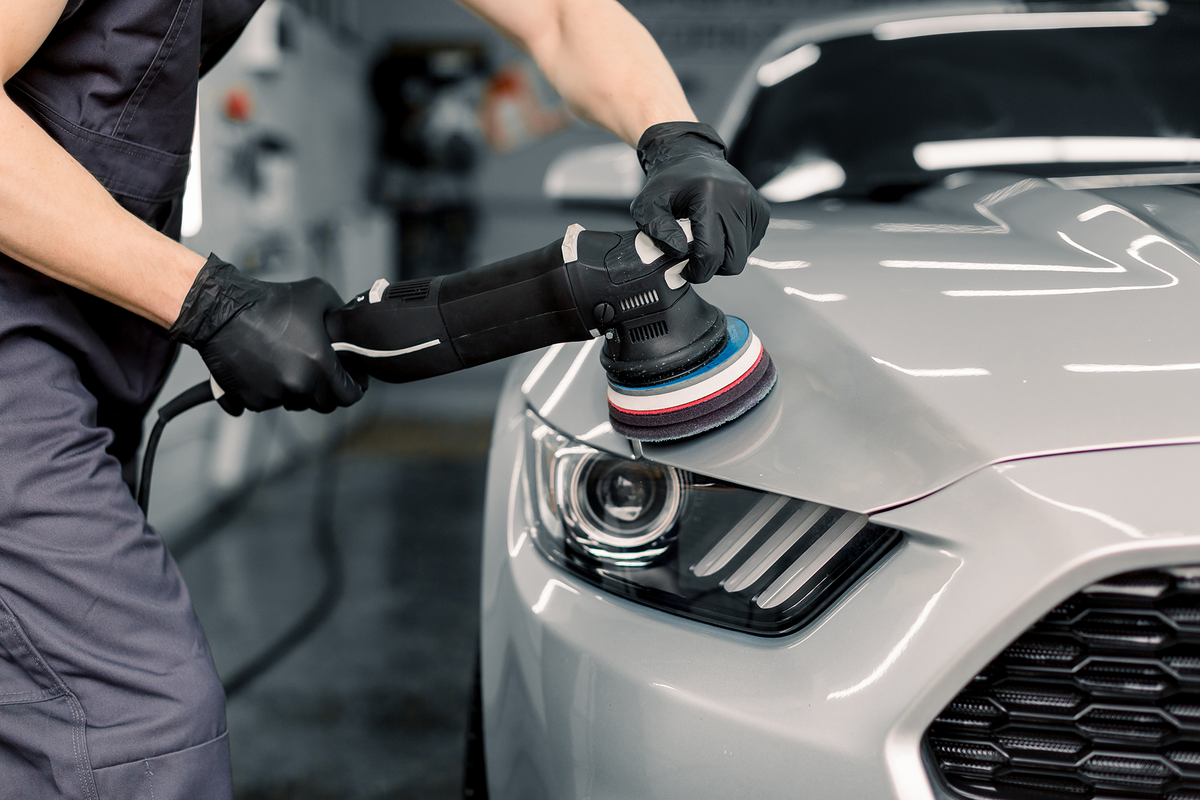
If you've spent any time researching paint protection, you've probably landed in the same debate every car owner eventually has with themselves: do you hand your car over to a professional detailer, or do you tackle ceramic coating yourself with a DIY kit?
There's no universal right answer — it depends on your budget, your schedule, how particular you are about the finish, and honestly, how much you enjoy working on your car. Below is an honest look at both paths, what they actually cost in 2026, and the questions worth asking yourself before you commit.
What "DIY Ceramic Coating" Actually Means in 2026
DIY used to mean wax and a weekend. Today, DIY coating chemistry has closed a lot of the gap with professional products. The higher-end formulas — polysilazane coatings in particular, rather than basic SiO2 — are built on the same protective chemistry used in professional installations, just engineered for an at-home routine: apply and buff off with a microfiber cloth, no UV curing lamps, no climate-controlled bay, no specialized training required.
That said, "DIY" isn't one single tier. It spans everything from a $20 basic sealant that lasts a few months to advanced polysilazane coating systems engineered to rival professional-grade protection for a year or more.
What You Get with Professional Detailing
A professional installation is a different experience entirely. Most reputable shops include:
- Paint correction first — machine polishing to remove swirl marks, light scratches, and oxidation before any coating goes on
- A controlled environment — indoor bays with temperature and dust control for proper coating cure
- Multi-layer application — often 2–3 coats applied and leveled by a trained technician
- A written warranty — typically 2–7 years, backed by the shop or the coating manufacturer
The trade-off is that you're paying largely for labor and expertise, not just the product in the bottle — prep work alone commonly makes up the majority of the final invoice.
DIY Ceramic Coating: Advantages and Disadvantages
Advantages
- Significantly lower upfront cost
- Apply on your own schedule, no appointment needed
- Easy to reapply as often as you like for touch-ups
- No risk of a rushed or inconsistent job from a busy shop
- Great for regular maintenance between professional services
Disadvantages
- Results depend entirely on your prep work — skipped clay-bar or wash steps show up in the final finish
- Most consumer coatings won't fully correct existing swirls or deep scratches
- Typically shorter durability than professional-grade systems — true of most basic sealants, though premium polysilazane formulas are rated for 3 to 7 years depending on tier, matching professional-installed coatings
- No professional warranty backing the work
- Learning curve on your first application
Professional Ceramic Coating: Advantages and Disadvantages
Advantages
- Paint correction is included, so the final finish can look genuinely flawless
- Longer-lasting protection, often measured in years rather than months
- Warranty coverage and accountability if something goes wrong
- Zero time investment on your end
- Access to premium, professional-only coating chemistries
Disadvantages
- Meaningfully higher upfront cost
- Requires scheduling and dropping the car off, sometimes for multiple days
- Quality varies widely by installer — reputation matters more than the product name
- Harder to "touch up" yourself without disturbing the professional coating
- Some shops upsell add-ons (PPF, tint) that inflate the final bill
Cost Comparison: DIY vs. Professional (2026)
The gap in upfront price is the headline, but the real comparison is cost-per-year of protection — a DIY coating reapplied twice a year can still cost less over a 3-year window than a single professional install, while a professional 5-year coating spreads its cost out differently. It genuinely comes down to how you'd rather spend the money: more upfront and hands-off, or less upfront with a bit of your own time involved.
Questions Worth Asking Before You Decide
- How much time do you realistically want to spend on car care? If weekends are precious, professional installation removes that entirely.
- What's the condition of your paint right now? Existing swirls or scratches generally need professional correction regardless of which coating you choose afterward.
- How long do you plan to keep the car? A shorter ownership window can make the lower DIY cost more practical; a long-term keeper may justify a multi-year professional warranty.
- Do you want a project, or a service? Some owners genuinely enjoy the process of coating their own car; others just want the result.
Many owners also land somewhere in between — a professional coating for the initial, flawless base, with a DIY maintenance product used every few months to extend its life and keep the gloss topped up.
Keeping Either Option Looking Its Best
Whichever route you choose, coatings — DIY or professional — perform best with regular upkeep. A dedicated maintenance liquid designed to replenish the protective layer between full applications can noticeably extend the life of either type of coating and keep the finish looking freshly done.
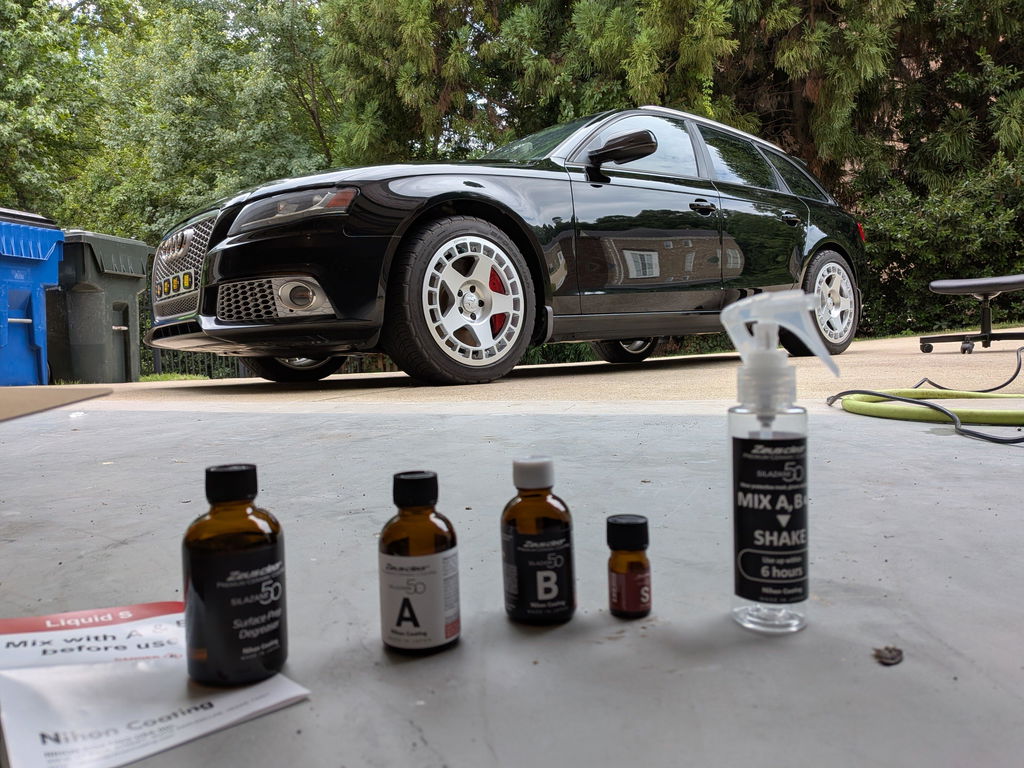
If you're leaning toward the DIY side of this decision, it's worth knowing that not all DIY coating chemistry is built the same way. SILAZANE50 is formulated with polysilazane chemistry — a tier above basic SiO2 — with durability that lines up directly against professional installations: 3 years on the Starter Kit, 5 years on the Complete Kit, and 7 years on Diamond Plus. It's manufactured entirely in Japan, with over 500,000 users and a top liquid-coating award from Minkara behind it. You can browse the full lineup of coatings and maintenance liquids at silazane50usa.com to see which fits your car and routine.
FAQ
Can I apply ceramic coating myself if I've never done it before?
Yes — most consumer coatings are designed for first-time users, as long as you take the time to properly wash, clay, and dry the paint before application.
Does DIY ceramic coating last as long as professional coating?
It depends on the product. Basic consumer sealants typically don't hold up as long as a professional installation. Premium polysilazane formulas are a different category, though — some tiers are rated for 3 to 7 years, squarely in line with what a professional-installed coating delivers.
Is it worth paying for professional paint correction even if I plan to DIY the coating afterward?
For paint with visible swirls or scratches, yes — a coating applied over uncorrected paint will lock in those imperfections rather than fix them.
How often should I reapply a DIY ceramic coating?
This varies by product, but many maintenance-style coatings are designed to be reapplied roughly every 6–10 months to keep the protective layer topped up.
Share:
Is a Sprayable Ceramic Coating a Real Ceramic Coating?